
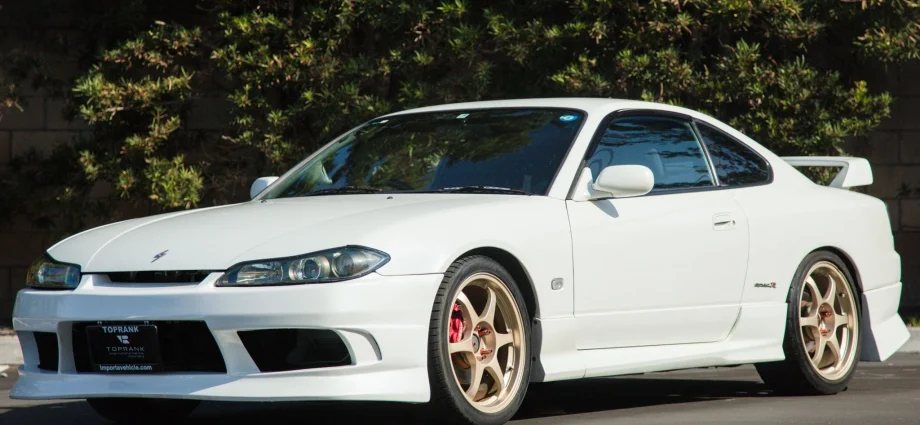
So, you’ve finally done it. You’re behind the wheel of that dream machine—maybe it’s a classic JDM import, a hand-built European exotic, or a rugged overland rig from another continent. The feeling is, well, special. But here’s the thing: that unique thrill comes with a unique set of headaches when it comes to insurance. Standard auto policies just don’t cut it. They’re like trying to fit a square peg in a round hole, or more accurately, like putting regular fuel in a high-performance engine. It’s a mismatch that can leave you dangerously exposed.
Why Standard Insurance Falls Short for Your Special Ride
Let’s be honest. Most insurance companies love averages. They’re built for the common sedan, the popular SUV. Your imported or specialty vehicle is anything but average. A standard policy typically covers your car for its Actual Cash Value (ACV)—its depreciated market value. For a rare or appreciating asset, that’s a disaster waiting to happen.
Imagine your pristine 1990s Japanese import gets totaled. The insurer looks up “1990s coupe” in their database and offers you a few thousand dollars. But you know its true market value, fueled by collector demand, is three or four times that. You’re left with a massive financial gap and a broken heart. That’s the core issue. Specialty vehicles need specialty coverage.
The Key Coverage Types You Absolutely Need to Discuss
Okay, so what should you be looking for? When shopping for imported car insurance or collector car insurance, these are the non-negotiable points to bring up.
Agreed Value vs. Stated Value
This is the big one. You and the insurer agree on the vehicle’s value upfront, and that’s exactly what you’re paid in a total loss (minus any deductible, of course). No depreciation haggling after the fact. It provides certainty. Stated Value, while sounding similar, often has a cap and can still involve negotiation at the time of a claim. Agreed Value is the gold standard for specialty vehicles.
Parts and Repair Realities
A fender bender in a mass-market car is straightforward. For your vehicle? Not so much. Replacement parts might need to be sourced from overseas, requiring special shipping and customs handling. You need a policy that understands and covers original manufacturer parts (OEM) and the potentially sky-high labor costs of a specialist mechanic. Some insurers even have networks of approved repair shops familiar with exotics or classics—a huge benefit.
Navigating the Nitty-Gritty: Usage, Storage, and Modifications
Insurers for these cars aren’t just insuring metal; they’re insuring a lifestyle. How you use and keep your vehicle dramatically affects your policy and premium.
| Consideration | Typical Policy Requirement/Restriction | Why It Matters |
| Annual Mileage | Often limited (e.g., 2,500-6,000 miles/year) | Low mileage preserves value and indicates lower risk. Exceeding limits can void coverage. |
| Storage | Secure, locked garage usually mandatory | Protects against theft, vandalism, and weather—key for preserving agreed value. |
| Primary Driver | Must be listed; often requires clean record & older age | Insurers mitigate risk by ensuring experienced drivers are behind the wheel. |
| Modifications & Aftermarket Parts | Must be declared; can affect value & premium | Unreported mods can invalidate a claim. Some policies offer coverage for declared enhancements. |
And about those modifications—you know, the upgraded turbo, the custom suspension, the rare wheels. You must disclose them. Every single one. An undisclosed mod is an easy out for an insurer to deny a claim. The good news? Many specialty insurers will cover these additions, often increasing the agreed value accordingly. Just be transparent.
The Unique Challenges of Grey Market and Recently Imported Cars
This is a whole other layer of complexity. A “grey market” vehicle is one imported outside of the manufacturer’s official system, often not originally built to meet U.S. safety or emissions standards. Even for newer, federally legal imports, the process is fraught.
Many mainstream insurers will simply refuse to cover a car without a long U.S. registration history. They see unknown parts availability, repair complexity, and difficulty assessing value. You’ll likely need a specialty insurer familiar with import documentation—someone who understands the NHTSA declarations, EPA compliance stickers, and the bond release process. Don’t assume your current provider will just add the car. Start your insurance search early, even before the car lands stateside.
Finding the Right Insurer: It’s About Partnership
You wouldn’t trust just anyone to wrench on your car. Apply the same logic to insuring it. Look for companies that specialize in your type of vehicle. Here’s what to ask:
- Do you offer Agreed Value coverage as standard?
- What is your claims process like for overseas parts sourcing?
- Do you have a network of recommended repair specialists?
- How do you handle modifications and value adjustments?
- Can you provide examples of insuring vehicles similar to mine?
Honestly, the premium might be higher than for your daily driver. But you’re paying for expertise and peace of mind. It’s the cost of proper stewardship for a unique asset.
The Final Word: Protecting More Than Metal
At the end of the day, insuring an imported or specialty vehicle isn’t just a financial transaction. It’s about protecting a piece of engineering art, a slice of history, or a deeply personal passion project. It’s the guarantee that allows you to actually enjoy the drive—the winding road, the car show, the weekend tinkering—without a cloud of “what if” hanging over you.
The right policy acknowledges that your car’s value isn’t just in its blue book listing, but in the story it tells and the joy it brings. It’s not merely coverage; it’s preservation. And that, for any enthusiast, is worth its weight in gold. Or perhaps, in polished chrome and perfectly tuned horsepower.